

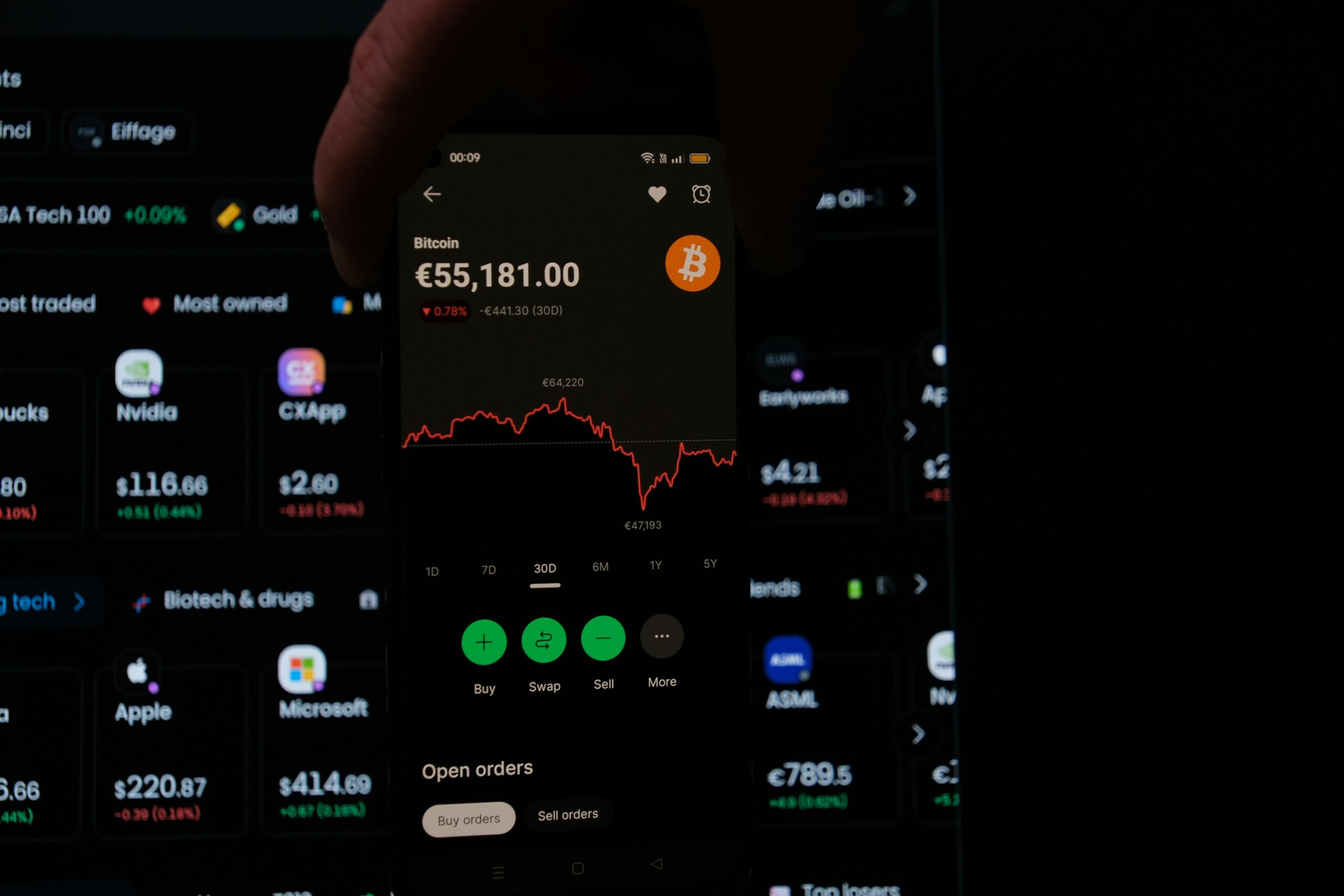
The dream of generating consistent wealth while you sleep has moved from the realm of science fiction into the reality of modern finance.
Historically, the world of high-speed trading and complex mathematical algorithms belonged exclusively to giant hedge funds and Wall Street firms with billion-dollar budgets.
However, the digital revolution has completely leveled the playing field, allowing everyday retail investors to access powerful autonomous tools right from their own living rooms.
These systems use advanced logic to execute trades based on specific triggers like price action, volume spikes, or technical indicators without needing any human intervention.
By removing the “human element” from your trading strategy, you eliminate the emotional traps of fear and greed that often lead to devastating portfolio losses. You no longer need to spend your entire day glued to multiple monitors watching every minor price flicker on a candlestick chart.
Instead, you can set your parameters, let the machine handle the heavy lifting, and focus your energy on the bigger picture of your long-term financial goals. This shift toward automation represents the most significant opportunity for individual wealth creation in the history of the stock market.
A. The Evolution of Trading Automation

Autonomous trading has evolved far beyond the simple “if-this-then-that” scripts used by early tech enthusiasts. Modern algorithms now leverage massive amounts of historical data and real-time technical indicators to make split-second decisions that a human brain simply cannot compute.
These systems work by identifying recurring patterns in the market and executing orders the moment those exact conditions are met.
This speed is essential because profitable windows in the current digital market often close in a matter of seconds. By using these tools, you ensure that you are always in the right place at the right time without needing to be physically present.
Many people think they need a master’s degree in mathematics or computer science to start using these automated tools. In reality, the best approach for a retail investor is to use “no-code” platforms that offer proven, pre-built strategies.
This allows you to focus on the overall logic of your investment rather than getting stuck on technical coding errors. Your biggest asset is your strategic vision, while the code is simply the tire that hits the road.
B. Selecting the Right Strategy for Your Lifestyle
Not all algorithms are created equal, and choosing the right one depends entirely on your specific risk tolerance and financial objectives. Some investors prefer trend-following bots that ride long-term market movements, while others opt for mean-reversion strategies that profit from quick price corrections.
You can also explore arbitrage bots that exploit price differences across various exchanges or scalping bots designed for tiny, frequent gains throughout the day.
The key is to find a strategy that aligns with your personality so you don’t feel the constant urge to manually override the machine. Every strategy has its strengths, and a well-diversified automated portfolio often uses a combination of several different approaches.
I often see traders pick a strategy based only on its highest historical peak, which is a recipe for disaster. You should actually look at the “drawdown” period—the worst the bot has performed—to see if you can emotionally handle that dip.
If a strategy’s worst day would make you panic and pull the plug, then it isn’t the right fit for your temperament. Always choose a strategy that lets you sleep soundly at night, regardless of the market’s volatility.
C. The Importance of Rigorous Backtesting
Before you ever commit a single dollar of real money to an autonomous system, you must run it through a process called backtesting. This involves applying your algorithm to historical market data to see how it would have performed during past events.
It helps you identify flaws in your logic and adjust your parameters to optimize for better returns before risking your hard-earned capital.
While past performance does not guarantee future results, it gives you a statistical baseline to understand the probability of your success. A bot that hasn’t been backtested is essentially just an expensive way to gamble with your savings.
Don’t fall into the trap of “curve-fitting,” where you tweak your bot so perfectly that it only works on past data. You want a system that is “robust,” meaning it performs well even when the market conditions aren’t perfectly aligned.
I suggest running a “forward test” or paper trading for a few weeks after backtesting to see how it handles real-time data without any risk. This dual-testing approach provides a much more realistic expectation of how your money will behave.
D. Implementing Effective Risk Management
The fastest way to lose money in automated trading isn’t a bad algorithm; it is a complete lack of risk management. Even the smartest bot will eventually hit a losing streak, so you must have built-in protections like stop-loss orders and position sizing.
A stop-loss ensures that the machine automatically exits a trade if the price drops below a certain level, preventing a small mistake from becoming a total disaster.
You should also decide exactly what percentage of your total balance the bot is allowed to use for any single trade. By keeping your risk consistent, you allow the law of averages to work in your favor over hundreds of trades.
A common mistake is letting the bot run with too much “leverage” or borrowed money in hopes of getting rich quickly. Leverage can multiply your gains, but it can also wipe out your entire account in a heartbeat if the market moves against you.
My advice is to keep your leverage low and let the power of compound interest from consistent wins do the heavy lifting for you instead. True wealth is built through survival and consistency, not through a single lucky gamble.
E. Monitoring and Maintaining Your System
“Set and forget” is a dangerous mindset because markets are constantly changing and evolving over time. While the bot handles the daily execution, you still need to act as the manager who monitors its performance and checks for technical issues.
Sometimes exchange APIs go down, or the internet connection drops, which can lead to missed trades or incorrect orders if not caught early.
You should also review your strategy every few months to ensure it is still effective in the current market environment. A strategy that worked perfectly in a bull market might struggle significantly when the market turns sideways or bearish.
Treat your trading bot like a high-performance car; it needs regular maintenance and the occasional tune-up. You should keep a log of the bot’s performance to spot any “drift” in its logic before it becomes a major problem.
Staying engaged with the process keeps you sharp and ensures your technology remains a profitable asset rather than a liability. Your involvement ensures the machine stays aligned with your evolving financial needs.
Conclusion

Stepping into autonomous trading is a major move toward true financial independence. It allows you to participate in global markets with professional-level tools. You can finally stop being a slave to the price charts.
The technology is becoming more accessible for retail investors every day. You don’t need a huge bankroll to get started. Small, consistent steps will lead to significant long-term growth.
Always remember that discipline is the most important trait for success. Let your algorithm follow the plan without interfering with its logic. Trust the data you have thoroughly tested.
The markets will always have ups and downs over time. Your automated system is designed to handle those fluctuations for you. Stay calm and stay focused on your goals.
Consistency is much better than trying to find a “holy grail.” Focus on steady returns that accumulate safely and reliably. This is how real wealth is built.
You now have the framework to start your automated journey. Take your time to learn the ropes and test well. Your future self will thank you for this effort.
Start small and build your confidence through actual experience. The digital market is full of opportunities for smart investors. Take control of your financial destiny today.

