

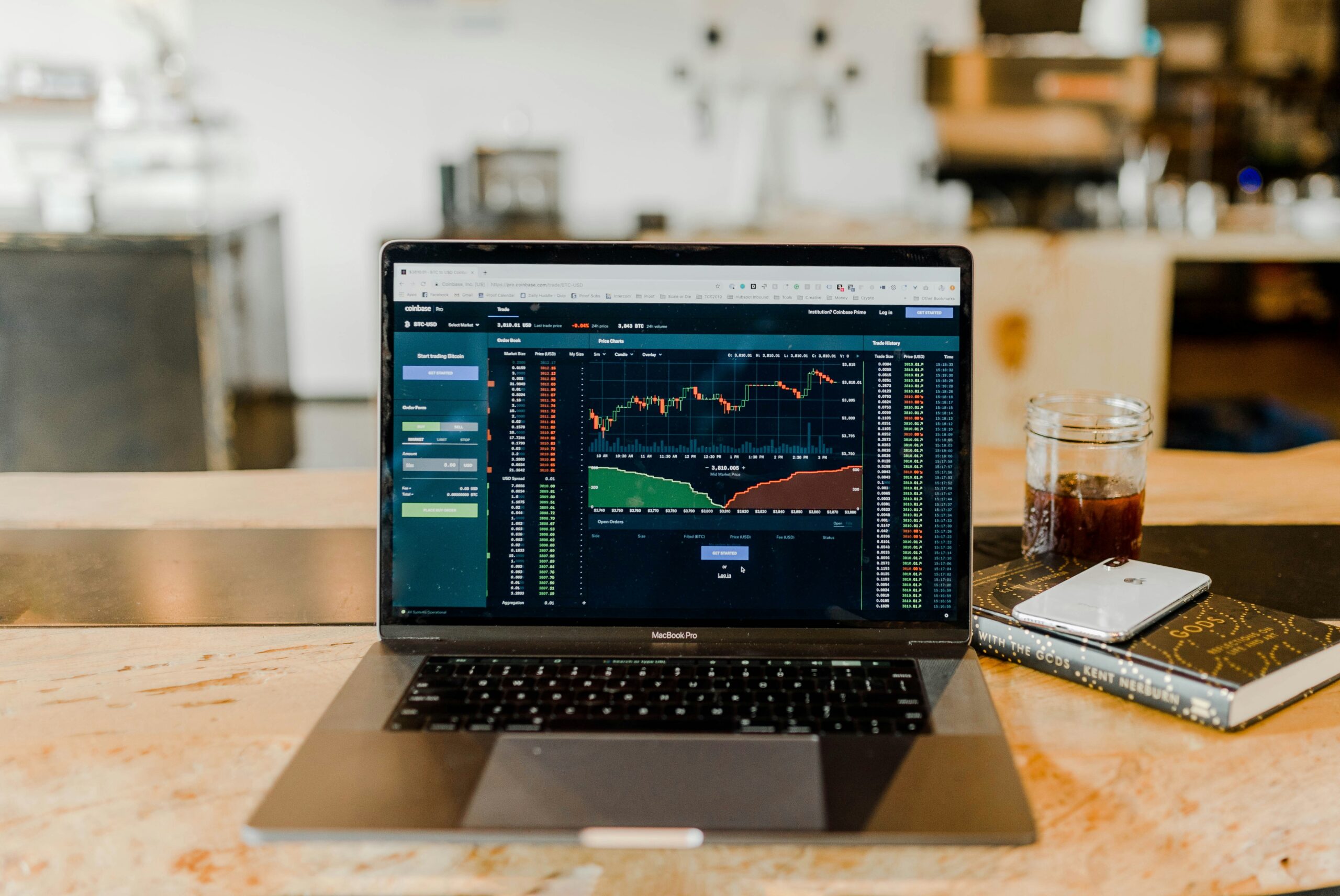
The digital financial landscape has undergone a massive transformation that leaves traditional manual trading in the rearview mirror. Today, the speed of execution is measured in microseconds, and the competition is no longer just between humans but between highly sophisticated algorithms.
High Frequency Trading, or HFT, has become the dominant force in digital markets by using powerful computers to execute a large number of orders at extremely high speeds.
These systems analyze multiple markets simultaneously and execute decisions based on complex mathematical models that identify tiny price discrepancies.
For a regular trader, understanding this environment is crucial because HFT players provide the liquidity that keeps the markets moving smoothly. While it might seem intimidating, the rise of these automated giants has actually lowered transaction costs for everyone involved.
If you want to succeed in the modern era, you need to understand how these digital speedsters operate and how they influence the daily price action you see on your screen.
A. The Infrastructure of Lightning Fast Trades

High frequency trading relies on cutting-edge hardware and proximity to exchange servers to minimize latency. These firms spend millions of dollars on specialized fiber optic cables and high-end servers just to shave off a few milliseconds of delay.
In the digital world, being first isn’t just an advantage; it is the entire business model. The system uses complex coding to scan order books across different platforms, looking for a fraction of a cent in profit per share.
This process happens thousands of times a minute, accumulating significant gains through volume rather than large price swings.
Most people think they need a NASA-level computer to even understand this, but that isn’t the case. You should focus on understanding “latency” because even a slight delay in your data feed can make your strategy obsolete.
If you are serious about fast execution, check your connection stability before you worry about your strategy. High-quality data is the heartbeat of any digital trading operation.
B. Market Making and Liquidity Provision
One of the most common roles for HFT algorithms is acting as a market maker. These programs constantly place buy and sell orders for the same asset, profiting from the small difference between the two prices, known as the “spread.”
By always being ready to buy or sell, these systems provide deep liquidity, which makes it easier for you to enter or exit a position without moving the price too much.
Without these high-speed participants, digital markets would be much more volatile and expensive for the average investor. They essentially act as the “oil” in the gears of the financial machine, ensuring everything rotates without friction.
While liquidity is great, you have to watch out for “phantom” liquidity that disappears during high stress. I always tell traders to look at the volume depth rather than just the top price on the screen.
Many of these orders are cancelled in milliseconds, so don’t get fooled by a crowded order book. Understanding this helps you avoid getting trapped in a trade when the machines pull back.
C. Arbitrage Opportunities in Divided Markets
Digital assets often trade on hundreds of different platforms at the same time, which naturally leads to price differences. An HFT system can spot when Bitcoin is trading for ten dollars more on one exchange than another and execute a simultaneous buy and sell to pocket the difference.
This process is called arbitrage, and it helps keep prices consistent across the entire global market. These opportunities usually last for less than a second before the price gap closes. It is a game of pure speed and mathematical precision that humans simply cannot compete with manually.
If you are looking for arbitrage, remember that transaction fees can eat your profits alive. You need to calculate your net gain after all exchange costs are deducted, or you might actually lose money on a “winning” trade.
I recommend looking for cross-border opportunities where the price lag is slightly longer. This gives you a better chance to compete without needing the fastest servers on the planet.
D. The Role of Predictive Analytics
HFT isn’t just about being fast; it’s about being smart enough to predict the next few seconds of price action. These systems use machine learning to analyze historical patterns and real-time news feeds to guess where the “smart money” is moving next.
If the algorithm sees a massive buy order entering the system, it will react instantly to position itself ahead of the move.
This predictive power allows high-frequency firms to stay profitable even when the overall market is trending downward. They don’t care about the long-term value of an asset, only the immediate momentum.
The mistake most retail traders make is trying to fight the momentum that these bots create. Instead of trying to beat the machine, try to identify the trend they are starting and ride the wave.
If you see the volume spike, it is usually a sign that the algorithms have found something interesting. Follow the volume, and you follow the machines.
E. Risk Management in High Speed Environments
When you are trading at such high speeds, a single software glitch can lead to a catastrophic loss in minutes. HFT firms implement rigorous “kill switches” and safety protocols to stop the system if things go sideways.
These algorithms are designed to manage risk on every single micro-trade, ensuring that no single mistake wipes out the firm’s capital.
In digital markets, where volatility is the norm, having a robust risk protocol is the only way to survive the long term. These machines are programmed to be incredibly disciplined, something human traders often struggle with.
You should adopt this same robotic discipline even if you are trading manually on your phone. Set your stop-loss orders the moment you enter a trade so you don’t have to think about it later.
The machines don’t have feelings, and that is why they win. By automating your risk, you protect your bankroll from your own emotional impulses.
Conclusion

High frequency trading has fundamentally changed how we interact with digital assets. You cannot ignore the impact these algorithms have on daily price movements. They provide the speed and liquidity that keep the markets alive.
The technology behind these systems continues to evolve at a rapid pace. You should stay informed about these changes to keep your own strategy relevant. Knowledge is your best tool in a fast-moving market.
Don’t be afraid of the machines; learn to coexist with them instead. Use their liquidity to your advantage when you enter the market. Observe how they react to news and price levels.
Start by refining your own data sources to ensure they are accurate. A good strategy is useless if the data is lagging behind reality. Always prioritize the quality of your market feed.
Consistency is far more important than hitting a lucky home run. The most successful traders are the ones who manage their risks well. Let the math guide your decisions every single day.
You now have a better understanding of how the digital world operates. Use this perspective to sharpen your own trading edge and grow. The future of finance belongs to the well-informed.

